

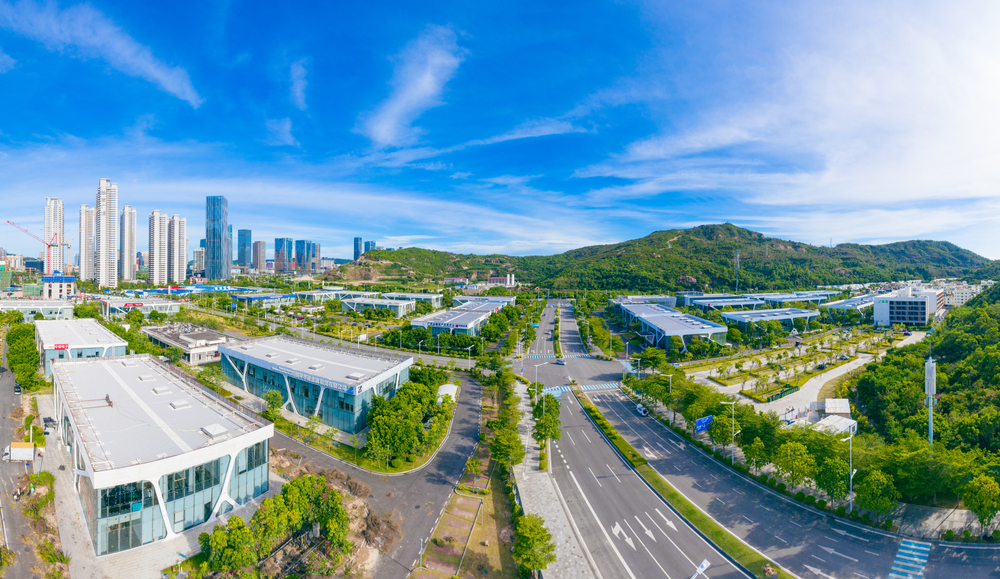
Established in April 2015, the Guangdong Free Trade Zone (GFTZ) stands as a pivotal component of China’s economic reform agenda. Comprising three distinct sub-zones – Nansha in Guangzhou, Qianhai and Shekou in Shenzhen, and Hengqin in Zhuhai – the GFTZ serves as a testing ground for policies aimed at liberalising trade, attracting foreign investment, and maximising the potential of the Greater Bay Area (GBA).

Strategic positioning and objectives of Guangdong Free Trade Zone
The GFTZ was conceived to align with China’s broader initiatives, such as the Belt and Road and the GBA development plan. Its strategic location facilitates closer economic ties between mainland China and the Special Administrative Regions of Hong Kong and Macau. Each sub-zone has been designated specific roles:
- Nansha: Focuses on advanced manufacturing, shipping logistics and financial services.
- Qianhai and Shekou: Specialises in finance, modern logistics and technological innovation.
- Hengqin: Targets tourism, leisure, healthcare, and cultural industries, leveraging its proximity to Macau.
Policy innovations and incentives
The GFTZ has implemented a series of policy measures to foster a conducive business environment:
- Trade and investment liberalisation: Adoption of a negative list approach allows foreign investors to operate in sectors not explicitly restricted. Simplified business registration processes and “one-stop” services have been introduced to expedite company setup.
- Tax incentives: Eligible high-tech and modern service enterprises benefit from a reduced corporate income tax rate of 15%, compared to the national standard of 25%. Additionally, individual income tax subsidies are available for high-end talent in Qianhai and Nansha.
- Financial services: Qianhai serves as a pilot area for cross-border financial services, including digital RMB trials. Foreign banks are permitted to establish wholly-owned subsidiaries, enhancing financial sector openness.
- Technology and innovation: Support mechanisms such as intellectual property protections, R&D subsidies, and venture capital incentives are in place to encourage technological advancement.
- Logistics and trade facilitation: The establishment of bonded warehouses and streamlined customs procedures, including a “single window” system, aims to enhance trade efficiency.
Economic performance
Since its inception, the GFTZ has demonstrated robust economic growth. By 2023, the combined GDP of the three sub-zones reached approximately CNY 526 billion (£55.15 billion), more than doubling from CNY 224.4 billion (£23.51 billion) in 2015. Foreign trade within the zone surged from CNY 104.7 billion (£10.97 billion) in 2015 to CNY 580 billion (£60.78 billion) in 2023, reflecting an average annual growth rate of 24%. The actual utilisation of foreign capital totalled USD 53.9 billion (£41.22 billion) over this period, with an average annual increase of nearly USD 6 billion (£4.59 billion).
In the first seven months of 2024, the GFTZ’s total import and export value reached CNY 409.56 billion (£42.91 billion), marking a 24.1% year-on-year increase. Machinery and electrical products accounted for over 60% of this trade, and commerce with ASEAN countries comprised nearly 20%.
Integration with Hong Kong and Macau
A key feature of the GFTZ is its role in fostering deeper economic integration with Hong Kong and Macau. In Hengqin, Macau enterprises can operate under Macau laws within designated areas, exemplifying the “one country, two systems” principle. Qianhai and Nansha offer preferential policies for Hong Kong firms, including lower thresholds for professional services and mutual recognition of qualifications.
Future development plans
Looking ahead, the GFTZ aims to align more closely with international high-standard trade and economic rules, promoting institutional openness. Plans include the development of Nansha’s “Science City”, focusing on AI and biotechnology, pilot programs for blockchain and data trading, and infrastructure projects like the Guangzhou-Shenzhen-Hong Kong Express Rail Link and the Hengqin-Macau Light Rail, expected to enhance regional connectivity.
Conclusion
The Guangdong Free Trade Zone has emerged as a dynamic hub for economic reform and international trade. Its strategic initiatives and policy innovations have not only spurred regional growth but also set a precedent for future free trade zones in China. As it continues to evolve, the GFTZ is poised to play a pivotal role in China’s ongoing economic transformation and integration with global markets.