

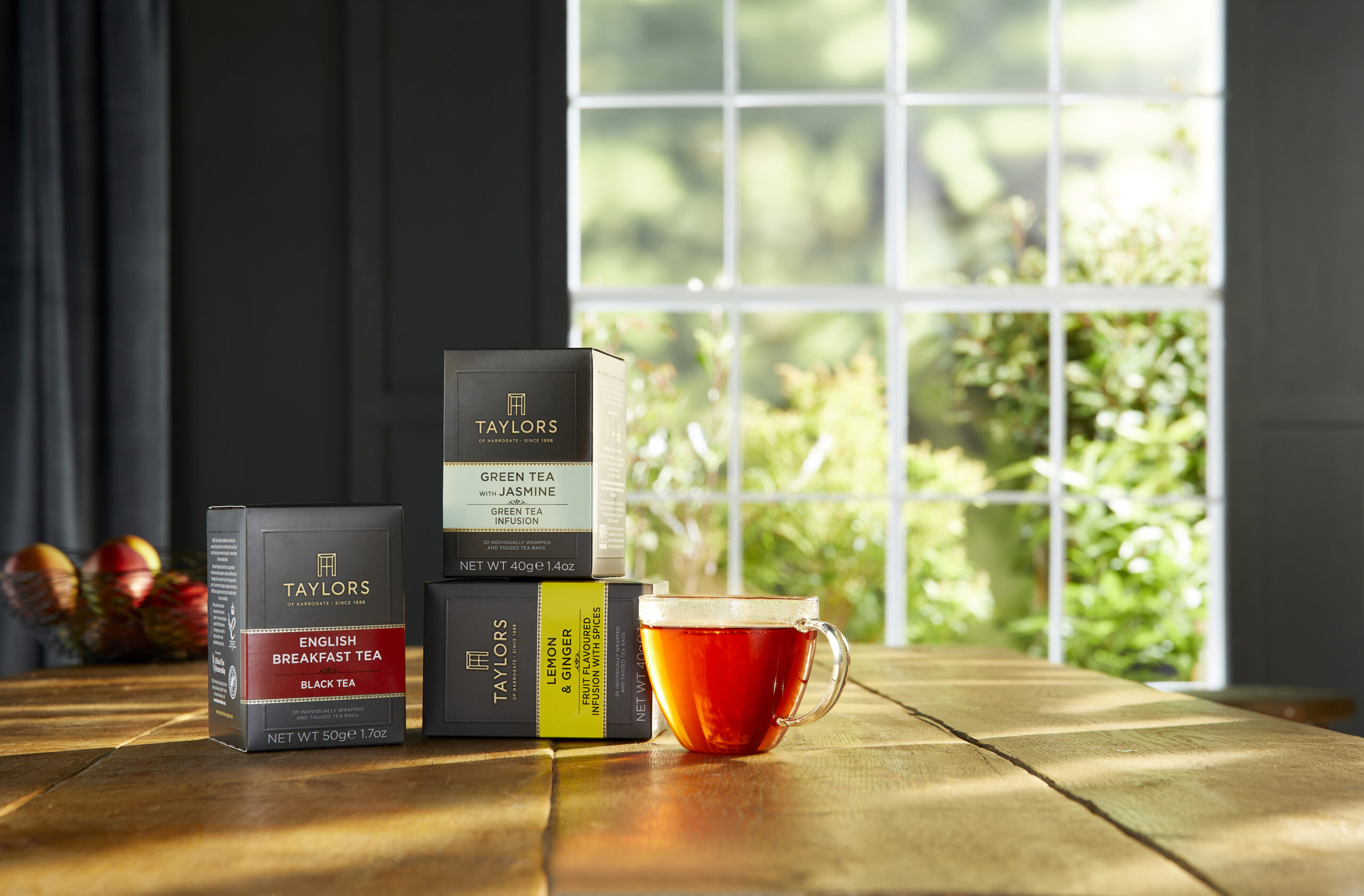
Two very different British brands – tea specialist Taylors of Harrogate and luxury fragrance house Boadicea the Victorious – are showing how thoughtful, cautious market development, grounded in digital engagement and brand-building, is a recipe for success in China’s fast-evolving market
For many British brands, China presents both an enormous opportunity and a unique set of challenges. With a growing middle class, an appetite for niche and premium products, and a digital landscape that moves at lightning speed, success in China requires more than just exporting a product. It demands cultural awareness, channel-specific strategies, and a long-term vision.
Brewing success and bottling heritage
Both companies emphasise that entering China is not about a quick win but a long-term journey. Taylors of Harrogate, makers of the beloved Yorkshire Tea, first began exporting to China in 2005 via a distributor. The company has since faced the complexities of evolving retail and digital channels. “Over the last 20 years we’ve seen distributors come and go for various reasons,” says Sarah Henderson, International Business Manager for Asia, Central & South America. “We’ve always believed in building long-term relationships rather than going for a quick win.”

Similarly, Jeremy Taylor, Group Commercial Director at Boadicea the Victorious, stresses the importance of patience. “It’s not about making a quick buck this year,” he says. “It’s about building something lasting over five or ten years.”
Both brands have learned the hard way that applying Western market assumptions to China can backfire. Taylors experienced this in 2014 when an online sales agreement – not fully understood internally – disrupted pricing and undercut its own distributors. Boadicea, too, saw its early China efforts face a number of distribution challenges. Both pulled back and regrouped, now approaching the market with far more intent and clarity.
Digital First, Always
One of the biggest lessons both brands share is the critical importance of digital-first strategies.
“In the West, you start with bricks-and-mortar, then go online,” says Henderson. “In China, it’s the opposite. You build your presence digitally first – then the rest follows.”
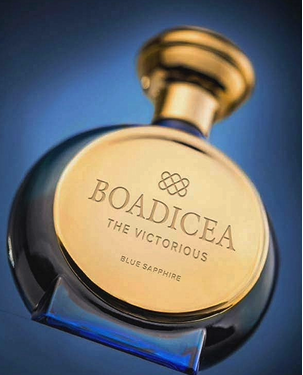
Taylors is now launching its own Tmall store via e-commerce partner WPIC, having previously experimented with a Little Red Book (Xiaohongshu) page. Boadicea, meanwhile, is leveraging UK-based Chinese influencers and building brand awareness online before entering physical retail. “You need people to understand the brand first,” says Taylor. “If it’s not for you, then it’s not for you. But if it is, we want them to fall in love with it.”
This approach is as much about protecting brand integrity as it is about visibility. Both brands have had to deal with unauthorised listings, price inconsistencies, and confusion caused by legacy distribution models. Establishing official digital channels gives them control over how the brand is presented and sold.
KOLs, KOCs and Content
For both Taylors and Boadicea, influencer engagement – through key opinion leaders (KOLs) and key opinion consumers (KOCs) – is central to their strategy.
“Chinese consumers want more than just a product – they want the story,” says Henderson. “What really appeals is the Britishness of our tea. The idea of English breakfast tea and the culture around how it’s consumed in the UK really resonates.”
Boadicea shares this emphasis on storytelling. With handmade pewter bottles created by a 200-year-old Birmingham firm that also worked on Game of Thrones and Harry Potter, the brand leans into its dramatic heritage. “If you want a fragrance that helps you disappear into the background, then don’t wear ours,” Taylor says.
The CBBC has played a vital role in guiding both brands, helping with influencer partnerships and introductions to local platforms and networks. “Working with CBBC made sense,” says Taylor. “You’ve got to make the right connections and understand the rules.”

Targeting the Right Audience
A major insight for both brands has been the importance of targeting Tier 2, 3 and even Tier 4 cities – rather than focusing solely on saturated Tier 1 urban centres like Shanghai or Beijing.
“Traditionally we’ve focused on the eastern seaboard,” says Henderson. “But online allows us to reach beyond that. Tier 3 and Tier 4 cities are still massive – that’s where you can learn your trade and grow your following.”
Boadicea sees similar potential in China’s emerging cities. “Luxury is being democratised,” says Taylor. “People are more adventurous – not just in Tier 1 cities but across the board. Even a small sliver of that middle class is a huge market.”
Doing It the Right Way
Both Taylors and Boadicea underline the importance of compliance, planning and market understanding.
Boadicea is midway through the complex product registration process in China, a vital step for any cosmetics or fragrance brand. “The creativity of our perfumers is not always aligned with compliance across all international markets,” Taylor jokes. “But you have to follow the rules if you want to do business there.”
Taylors, too, has had to learn how to manage distributors, pricing structures and unauthorised resellers. “Everything is interconnected in China,” Henderson notes. “You need a clear structure – who takes what, at what price – otherwise it causes issues.”
Brand First, Sales Second
Both brands are taking the long view: build the brand first, then scale the sales.
For Taylors, that means leveraging digital platforms to test what appeals to Chinese consumers. “We did some research to see if we even deserved a place in China,” Henderson admits. “But we found strong resonance with 25- to 40-year-old women. It confirmed we’re not a cheap tea – we appeal to the middle class, and there’s a growing audience for what we offer.”
For Boadicea, it’s about seeding the brand before making the leap into luxury department stores like SKP or Lane Crawford. “We want the right kind of awareness,” says Taylor. “The experience needs to be consistent – online or offline.”
A Cautious Confidence
In their own ways, Taylors of Harrogate and Boadicea the Victorious are showing that British brands can succeed in China – by respecting the market, understanding its nuances, and putting in the groundwork.
“You’ve got to find the right partners,” Taylor advises. “And sometimes that means waiting. But if the brand is strong and you do it properly, the results will come.”
Join CBBC’s China Consumer 2025 to learn more about China’s consumer sector.