

Chinese consumers view UK brands through a lens of heritage and quality, but success in this dynamic market demands cultural sensitivity and strategic adaptation
In the bustling marketplaces of Shanghai and Beijing, where modernity intertwines with tradition, UK brands have carved a unique niche among Chinese consumers. From the tartan elegance of Burberry to the refined engineering of Jaguar Land Rover, British products are often synonymous with luxury, craftsmanship, and a storied heritage. Yet, as China’s consumer landscape evolves, driven by rising affluence, digital innovation, and cultural pride, the perception of UK brands is not static. It is a complex interplay of admiration for British legacy and demand for relevance in a market that increasingly celebrates its own identity.
The allure of British brands in China is deeply rooted in their association with quality and authenticity. For decades, Chinese consumers have viewed products labelled “Made in Britain” as hallmarks of sophistication and reliability. The UK is associated with qualities like ‘trustworthy’ and ‘reliable’. This perception stems from Britain’s long history of craftsmanship, from Savile Row tailoring to Wedgwood ceramics, which resonates with affluent Chinese consumers seeking status and prestige. The concept of “keeping face,” where social image is paramount, further amplifies the appeal of British luxury goods. Owning a Rolls-Royce or a Burberry trench coat signals not just wealth but discernment, aligning with the aspirations of China’s growing middle and upper classes.
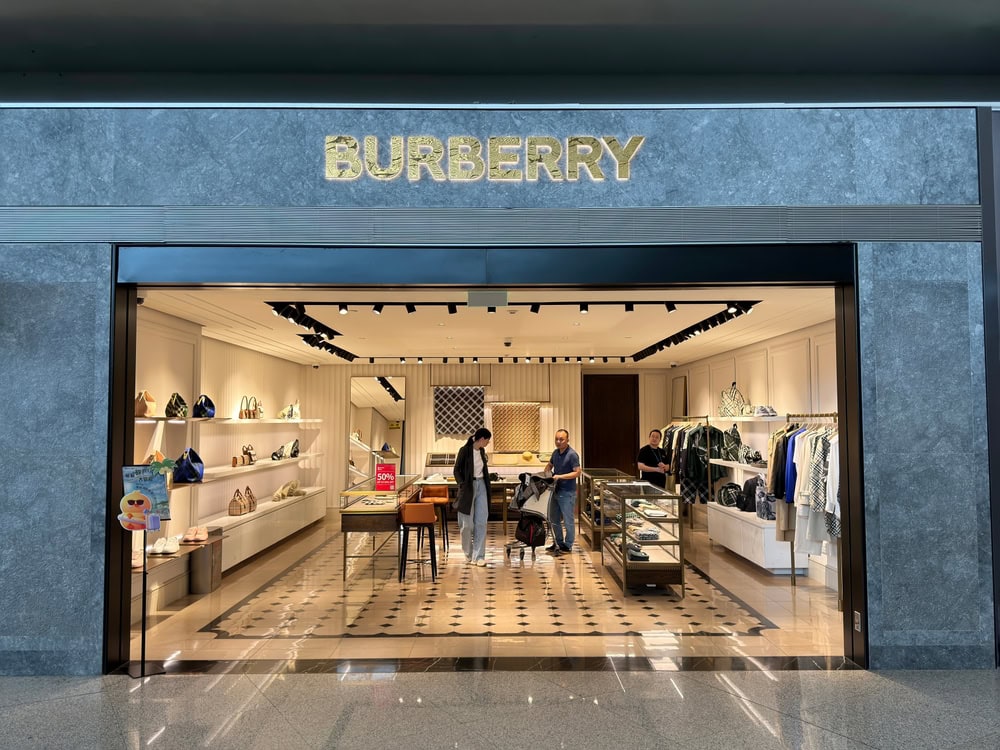
However, this admiration is not unconditional. Chinese consumers, particularly the younger, tech-savvy generation, are increasingly sophisticated and discerning. Young Chinese consumers value foreign cultures and products, but their attitudes toward Western brands can be tempered by slightly negative perceptions of corporate social responsibility (CSR) initiatives. This suggests that while UK brands benefit from their heritage, they must actively engage with local values to maintain relevance. For instance, Burberry’s attempt to blend British heritage with Chinese elements, such as incorporating Chinese characters into its iconic check scarves, met with resistance from some consumers who found it incongruent. This highlights a critical challenge: UK brands must navigate the fine line between preserving their British identity and adapting to Chinese cultural nuances.

The rise of the “guochao” phenomenon — those choosing to buy domestic goods due to nationalism — further complicates this dynamic. Guochao reflects a surge in pride for Chinese heritage and domestic brands, driven by political and socio-economic undercurrents. Chinese consumers no longer universally lionise foreign brands, as evidenced by the backlash against H&M over its stance on Xinjiang cotton. This shift does not spell doom for UK brands but demands a strategic pivot. Successful brands have leaned into localisation, embedding themselves in Chinese culture while retaining their British essence. For example, Diageo, the parent company of Johnny Walker, has seen double-digit growth in China by creating limited-edition whiskies, such as the Forbidden City Blue Label, tailored for Chinese festivals like Lunar New Year. Such initiatives resonate with consumers who value cultural relevance alongside quality.
Social media and key opinion leaders (KOLs) play a pivotal role in shaping perceptions. China’s digital landscape, dominated by platforms like WeChat, Douyin, and Xiaohongshu, is a battleground for brand visibility. UK brands like Jo Malone have capitalised on this by partnering with popular KOLs and creating immersive campaigns, such as the Paddington Bear-inspired Orange Marmalade fragrance promotion, which combined social media engagement with offline installations like a Shanghai subway takeover. These efforts bridge the gap between heritage and modernity, appealing to younger consumers who are both socially savvy and culturally conscious.
Economic challenges add another layer of complexity. Recent reports indicate a slowdown in China’s luxury market, with companies like LVMH and Burberry reporting sales declines in 2024. Amid economic uncertainty, Chinese consumers are reining in spending, making it imperative for UK brands to differentiate themselves. Heritage alone is not enough; brands must tell compelling stories that resonate emotionally. Jaguar Land Rover, for instance, has transformed its image in China by creating culturally immersive experiences, such as the Range Rover House in Chengdu, which blends shopping with traditional tea culture. This approach not only showcases British craftsmanship but also aligns with local values, fostering a deeper connection with consumers.
Compliance and market entry strategies also influence perceptions. Kristina Koehler-Coluccia of Woodburn Accountants and Advisors emphasises that issues like intellectual property protection and contract enforcement remain critical for UK brands entering China. Partnering with local distributors who understand the market is essential to avoid price wars and ensure brand consistency. Waitrose, for example, has navigated regulatory challenges to offer products like shortbread and whisky, which align with Chinese consumers’ interest in British goods. By maintaining its heritage while adapting to local tastes, such as promoting afternoon tea experiences, Waitrose reinforces its premium image.
The demographic diversity of Chinese consumers further shapes perceptions. Younger consumers, particularly those in first- and second-tier cities, are more willing to pay premiums for high-quality imported products, associating them with a leisurely lifestyle. In contrast, older consumers may prioritise price over quality, though this is shifting as affluence grows. Ethnic minorities, as noted in a 2025 study, show less enthusiasm for China-Chic products compared to Han Chinese, suggesting that UK brands may need tailored strategies for different consumer segments. This diversity underscores the need for UK brands to view China not as a monolith but as a multifaceted market requiring nuanced approaches.
Looking ahead, UK brands must balance heritage with innovation. The success of companies like Wedgwood, which has opened 29 stores in China by leveraging its British craftsmanship through live-streaming campaigns, demonstrates the power of speed and cultural sensitivity. Similarly, Fortnum & Mason has connected with Chinese consumers by emphasising lifestyle experiences and sustainability, aligning with shifting consumer values. These examples illustrate that while the “Made in Britain” label remains a powerful asset, it must be paired with storytelling that resonates with China’s dynamic consumer base.