


China’s booming cross-border e-commerce market offers British businesses unparalleled access to a vast consumer base. From Tmall Global to Little Red Book, explore their unique strengths, and how to reach the right Chinese shoppers in 2025
Why Cross-Border E-Commerce Appeals to British Businesses
For British businesses, cross-border e-commerce into China is a compelling opportunity to tap into the world’s largest online retail market without the complexities of establishing a physical presence. In 2025, China’s cross-border e-commerce market is projected to reach £268 billion, with annual growth exceeding 10%, driven by rising consumer demand for premium international goods. Cross-border e-commerce allows UK brands to sell directly to Chinese consumers through dedicated platforms, bypassing traditional import regulations and reducing upfront costs. Transactions below RMB 5,000 are exempt from import tariffs, and annual e-commerce purchases under RMB 26,000 enjoy a 30% reduction in value-added tax, making it cost-effective for businesses to test the market. Additionally, cross-border e-commerce offers British firms access to sophisticated digital marketing tools, such as livestreaming and social commerce, to build brand awareness among China’s 989 million internet users. For SMEs, this low-risk entry model is ideal for exploring consumer preferences before committing to larger investments.
The 2025 CBEC Landscape in China
China’s cross-border e-commerce landscape in 2025 is a dynamic ecosystem, underpinned by government support and technological innovation. The country has expanded its network of 105 cross-border e-commerce pilot zones, which streamline logistics through bonded warehouses, reducing delivery times and customs complexities. Platforms like Tmall Global, JD Worldwide, Douyin, Little Red Book, and WeChat Stores dominate, each catering to distinct consumer segments and product categories. In 2023, cross-border e-commerce import and export volumes surged to RMB 2.38 trillion (£244 billion), a 15.6% year-on-year increase, with beauty, fashion, and health products leading demand. Chinese consumers, particularly affluent urbanites and Gen Z, are drawn to cross-border e-commerce for its access to high-quality foreign brands unavailable locally. However, challenges such as regulatory compliance, logistics costs, and intense competition persist, requiring British brands to choose platforms strategically.

Tmall Global
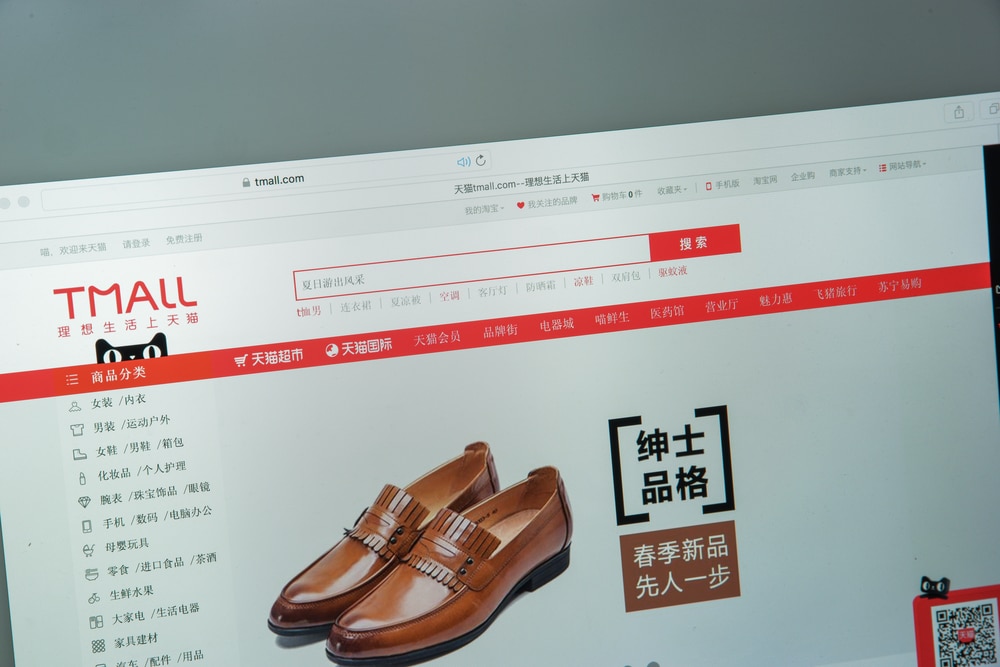
Tmall Global, Alibaba’s dedicated cross-border e-commerce platform, holds a 50.8% share of China’s e-commerce market, making it the go-to choice for established brands. It hosts over 70,000 global brands and attracts affluent consumers seeking premium products.
Pros: Tmall Global offers robust infrastructure, including seamless payment integration with Alipay and access to Alibaba’s logistics network, Cainiao. Its flagship store model allows brands to customise their online presence, enhancing brand visibility. The platform’s data analytics tools provide deep insights into consumer behaviour, enabling targeted marketing. Tmall’s livestreaming feature, used by 40% of its merchants, boosts engagement through real-time product demonstrations.
Cons: High setup and commission fees, often 2-5% per transaction plus annual service charges, can deter smaller brands. Intense competition requires significant marketing investment to stand out. Compliance with Tmall’s stringent onboarding process, including brand authentication, can be time-consuming.
Suitable Brands: Premium British brands in fashion, cosmetics, and health supplements, such as Burberry or The Body Shop, thrive on Tmall Global. Established companies with strong brand recognition and marketing budgets are best positioned to leverage its scale.
Consumer Profile: Affluent urban professionals, aged 25-45, with disposable incomes above RMB 140,000 annually, shop on Tmall Global for luxury and high-quality imports. These consumers prioritise brand prestige and product authenticity.
Expert opinion: “China’s leading e-commerce platform, brand flagships are seen by consumers as being official and authentic, often setting pricing expectations for the whole market. Offers the most sophisticated loyalty and membership programmes and performance marketing options. Essential across many categories – but especially luxury, home/lifestyle, health, and fashion,” says Tong Digital’s Jack Porteous.
JD Worldwide
JD Worldwide, operated by JD.com, commands a 15.9% market share and is renowned for its focus on electronics, household goods, and health products. Its direct-to-consumer model appeals to brands seeking control over pricing and branding.
Pros: JD’s self-operated logistics network, with over 200 warehouses, ensures fast and reliable delivery, critical for consumer satisfaction. The platform’s partnership with Tencent enables payments via WeChat Pay, enhancing transaction ease. JD’s emphasis on quality control and anti-counterfeiting measures builds consumer trust.
Cons: High operational costs, including logistics fees, can erode margins for low-value products. JD’s focus on specific categories limits its appeal for niche or luxury brands. The platform’s rigorous vetting process may delay market entry.
Suitable Brands: British brands in consumer electronics, health supplements, or baby products, such as Dyson or Holland & Barrett, are well-suited for JD Worldwide. Companies with reliable supply chains and mid-to-high price points perform well.
Consumer Profile: Middle-class families and tech-savvy consumers, aged 30-50, shop on JD Worldwide for trusted, functional products. They value quality, safety, and competitive pricing over luxury branding.
Expert Opinion: “Longtime competitor to Tmall, JD’s audience skews more male than Tmall, making it a good platform for consumer electronics, technology, and alcohol brands,” says Porteous.
Little Red Book (Xiaohongshu)

Little Red Book combines social media and e-commerce, targeting young, urban female consumers with a focus on lifestyle and beauty products. Its storytelling approach has made it a cultural phenomenon, with 200 million monthly active users in 2025.
Pros: The platform’s social commerce model allows brands to engage consumers through user-generated content and influencer partnerships. Its low entry barriers make it accessible for smaller brands. Livestreaming and KOL (Key Opinion Leader) collaborations drive high engagement, with 30% of users making purchases via social media.
Cons: Limited organic traffic means brands must invest heavily in influencer marketing to gain visibility. The platform’s niche focus on beauty and lifestyle restricts its suitability for other categories. Data analytics are less robust compared to Tmall or JD.
Suitable Brands: Trendy British beauty, skincare, and fashion brands, such as Charlotte Tilbury or ASOS, excel on Little Red Book. Emerging or niche brands with strong visual storytelling capabilities can build a loyal following.
Consumer Profile: Gen Z and millennial women, aged 18-35, with a passion for fashion and beauty, dominate Little Red Book. These affluent urbanites seek trendy, aspirational products and value peer recommendations.
Expert Opinion: “Affluent, mostly female consumers in T1 and T2 cities use RED as a lifestyle guide and is an essential marketing platform for any premium brand. For eCommerce, premium homewares, food and drink, beauty, and health products thrive,” says Porteous.
Dewu
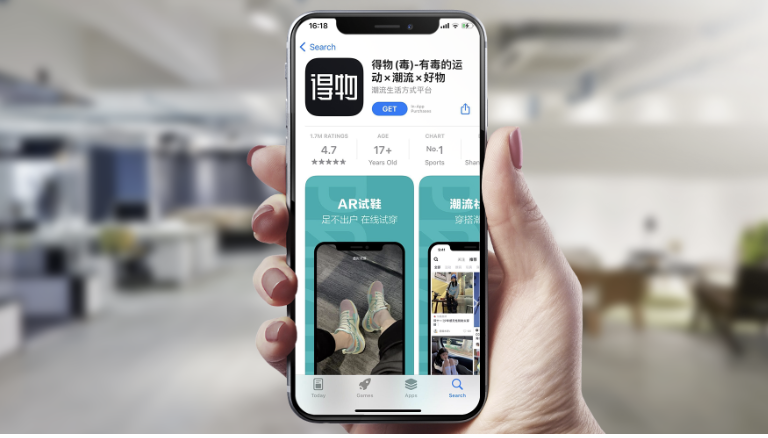
Dewu, formerly Poizon, is a niche platform for streetwear, sneakers, and luxury goods, with 100 million monthly active users and a focus on authenticity
Pros: Dewu’s authentication process builds trust for high-value items, ideal for luxury and collectables. Its young, affluent user base drives premium sales. Integration with WeChat Pay simplifies transactions.
Cons: Niche focus on streetwear and luxury limits broader category appeal. High commission fees (5-8%) and competition from resellers can squeeze margins. Smaller brands may struggle with visibility.
Suitable Brands: British streetwear and luxury brands, like Superdry or Mulberry, fit Dewu’s niche. Brands with collectible or high-end products and strong youth appeal succeed.
Consumer Profile: Affluent Gen Z and young millennials, aged 18-30, from Tier 1-2 cities, shop for exclusive sneakers, streetwear, and luxury goods, valuing authenticity and status.
Expert Opinion: “Originally a platform for streetwear fans and sneaker heads, Dewu has expanded its offer into more categories, including beauty and lifestyle. Best for brands focused on a young adult audience,” says Porteous.
Kuaishou
Kuaishou, a short-video and livestreaming platform, has emerged as a CBEC contender with 700 million monthly active users, focusing on affordable, trendy products.
Pros: Kuaishou’s livestreaming model drives impulse purchases, with 35% of users buying via live sessions. Low entry costs and a user-friendly interface make it accessible for SMEs. Its focus on lower-tier cities expands market reach.
Cons: Limited brand control due to reliance on influencers can dilute messaging. Less robust logistics compared to Tmall or JD may lead to delivery issues. The platform’s budget focus restricts premium brand appeal.
Suitable Brands: Affordable British fashion and lifestyle brands, like Primark or Muji-style homeware, excel on Kuaishou. SMEs with mass-market appeal and influencer marketing budgets thrive.
Consumer Profile: Young consumers, aged 18-30, from Tier 2-4 cities with incomes below RMB 100,000, shop for trendy, budget-friendly fashion and accessories, drawn to livestreaming deals.
Expert Opinion: Challenger short-video and livestreaming platform with big tech in China’s hundreds of lower tier cities, where imported goods are less prevalent. A good opportunity for established brands to gain a foothold in new consumer groups,” says Porteous.
WeChat Stores

WeChat Stores, integrated into China’s “super-app” WeChat, offer a versatile platform for cross-border e-commerce within its 1.3 billion-user ecosystem. Brands leverage WeChat’s social and payment features to create personalised shopping experiences.
Pros: WeChat’s Mini Programs allow brands to customise stores and integrate with WeChat Pay for seamless transactions. Its social nature enables direct consumer engagement via groups and official accounts, enhancing CRM. Low setup costs make it attractive for SMEs.
Cons: High competition and lack of organic traffic require substantial marketing spend to drive visibility. Technical expertise is needed to develop and maintain Mini Programs. The platform’s fragmented ecosystem can complicate scaling operations.
Suitable Brands: British lifestyle, food, and beverage brands, such as Fortnum & Mason or Twinings, thrive on WeChat Stores. SMEs with strong social media strategies and niche offerings can build loyal communities.
Consumer Profile: Diverse consumers, including urban professionals and older generations (35-60), use WeChat Stores for convenience and trusted brands. They value personalised service and social recommendations.
Douyin

Douyin, China’s version of TikTok, boasts over 750 million monthly active users and is a leader in social commerce, blending short videos and livestreaming with e-commerce. Its cross-border e-commerce platform drives sales through engaging content and influencer-driven campaigns.
Pros: Douyin’s algorithm ensures high visibility for engaging content, with 43% of users finding ads enjoyable. Livestreaming and KOL partnerships drive impulse purchases, with luxury goods GMV rising 254% in 2023. In-app stores and Douyin Pay enable seamless transactions, while branded hashtag challenges boost viral reach.
Cons: Heavy reliance on influencer marketing requires significant investment. Limited control over ad distribution, based on user demographics, can lead to inconsistent reach. Foreign brands need a local partner for verification, adding complexity. The platform’s focus on trendy, affordable items may limit appeal for ultra-premium brands.
Suitable Brands: British brands in cosmetics, fashion, and lifestyle, like Lush, Superdry, or Boohoo, excel on Douyin. Trendy, mid-to-high-end brands with creative marketing campaigns can leverage its viral potential.
Consumer Profile: Young, affluent consumers, aged 18-35, from Tier 1-2 cities, shop on Douyin for trendy cosmetics, accessories, and fast fashion. Gen Z and millennials, especially women, are drawn to engaging, influencer-driven content.
Expert Opinion: “Fast-growing livestreaming platform Douyin is vital for capturing younger generations in trendy categories such as beauty and fashion,” says Porteous.
Strategic Considerations for British Brands
Choosing the right cross-border e-commerce platform depends on a brand’s product category, target audience, and resources. Premium brands should prioritise Tmall Global for its scale and affluent consumer base, while electronics and health brands align with JD Worldwide’s quality-focused shoppers. Douyin’s viral, influencer-driven model suits trendy, mid-to-high-end brands targeting Gen Z. Little Red Book is ideal for cool, youth-oriented brands, and WeChat Stores suit SMEs with niche offerings. British businesses must invest in localisation, including Chinese language content and local payment methods like WeChat Pay and Alipay, to build trust. Partnering with local influencers and leveraging livestreaming can amplify reach, particularly on Little Red Book and Tmall. However, brands should be mindful of logistics challenges, such as customs delays, and consider using bonded warehouses in cross-border e-commerce pilot zones to streamline delivery.
Regulatory compliance remains critical, with China’s data security and consumer protection laws tightening in 2025. The CBBC advises UK firms to work with experienced local partners to navigate these complexities. Despite challenges, the rewards are significant: China’s CBEC market offers British brands access to a consumer base with growing disposable incomes and a penchant for quality imports. Cross-border e-commerce is a low-risk, high-reward entry point for UK SMEs to engage with China’s dynamic market.